









A working library of fundamentals for

The Mixed Reality Engineer

who designs, develops and builds deeply immersive interactive spatial XR experiences

M00 · 8 lessons · in production

Becoming an MR Engineer

M01 · 15 lessons

Mathematical Foundations

M02 · 7 lessons

Coordinate Systems & Spatial Reasoning

M03 · 13 lessons

Spatial Computing Fundamentals

M04 · 15 lessons

Human Perception & Comfort

Every year, spatial computing gets easier to build for. Engines get friendlier, headsets get lighter, and most of what gets made will probably be fine. Functional, but forgettable. Shipped too quickly, without enough understanding.

This is for engineers who want to build something else.

Experiences that feel inevitable. Interactions that respect the human wearing the headset. Software that understands the world it lives in — and never makes anyone sick. The kind of work that only comes from knowing the fundamentals cold.

Deeply immersive experiences, engineered for presence.

Curriculum

The Library

17 modules · 194 lessons, released one module at a time. Concepts first, engine-agnostic — Unity + OpenXR is the complete reference track, with translation notes for Unreal, WebXR, visionOS and Android XR.

Live
Nothing yet
Writing
M0 — Becoming an MR Engineer
Next
M1
M00 · 8 lessons · in production

Becoming an MR Engineer

Orientation, toolchain, and a build running on a real device by the end of your first session.

M01 · 15 lessons

Mathematical Foundations

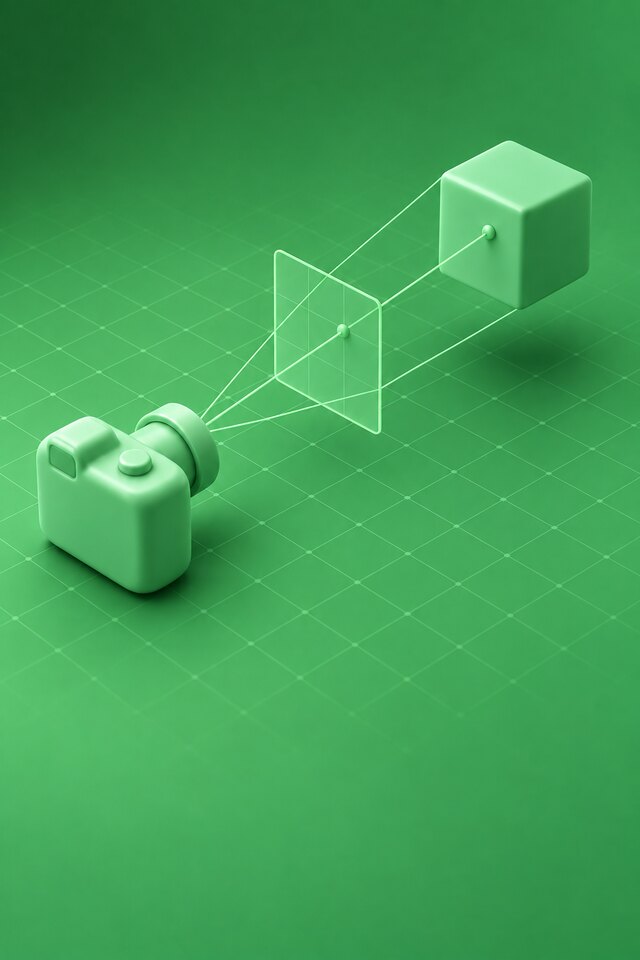
The math you actually use daily, taught visually and spatially — not as abstract linear algebra.

M02 · 7 lessons

Coordinate Systems & Spatial Reasoning

Where things are — the discipline that separates XR engineers from screen engineers.

M03 · 13 lessons

Spatial Computing Fundamentals

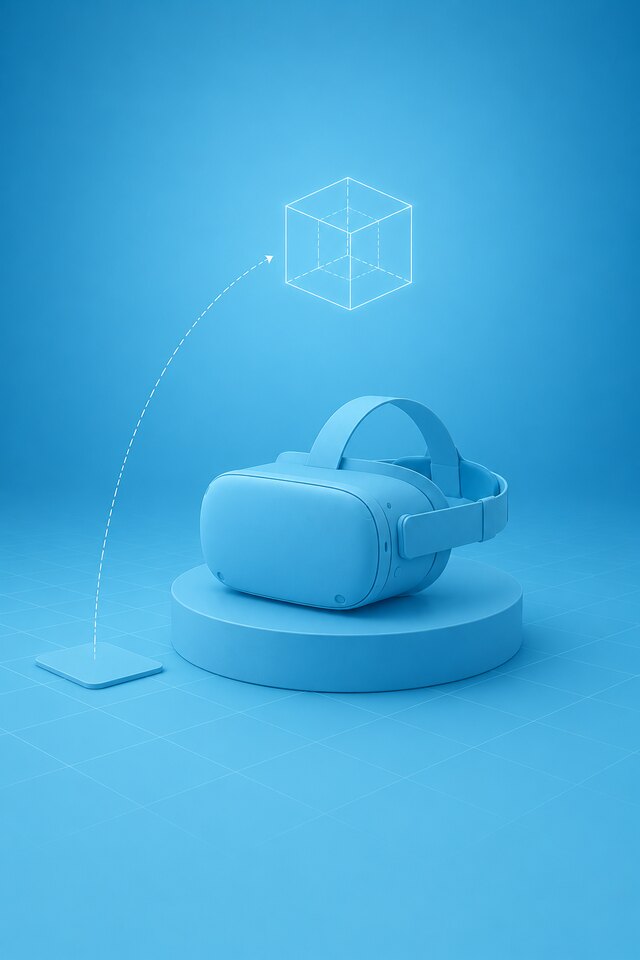
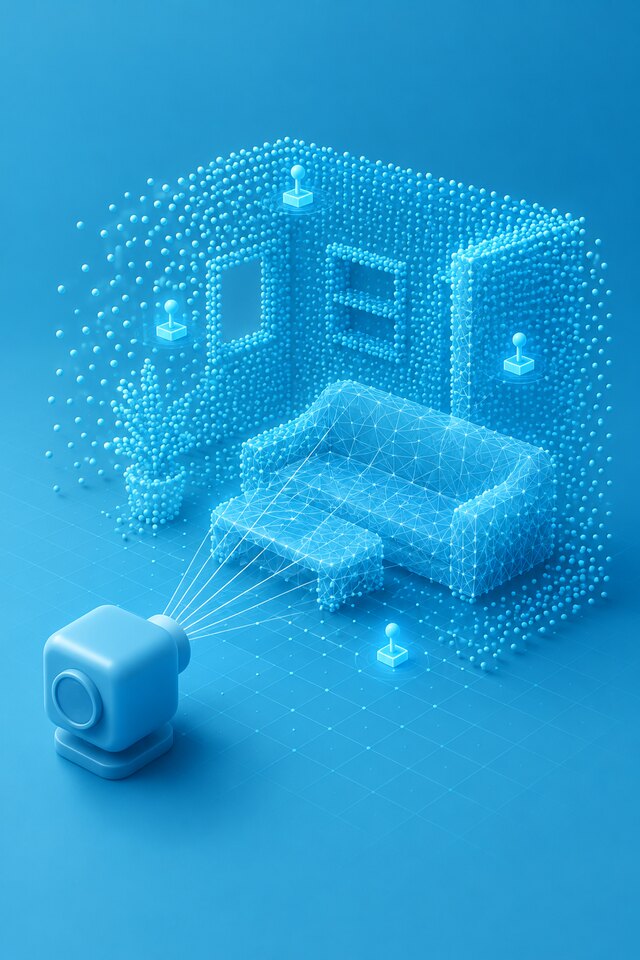
How devices understand the world: SLAM, anchors, meshing, occlusion.

M04 · 15 lessons

Human Perception & Comfort

The human is part of the system. Ignore this module and users vomit.

M05 · 19 lessons

3D Graphics & Rendering

Engine-agnostic rendering literacy — triangles, shaders, and radiance fields.

M06 · 15 lessons

Interaction & Input

The XR interaction stack — from raw poses to feel.

M07 · 14 lessons

Spatial UI & Experience Design

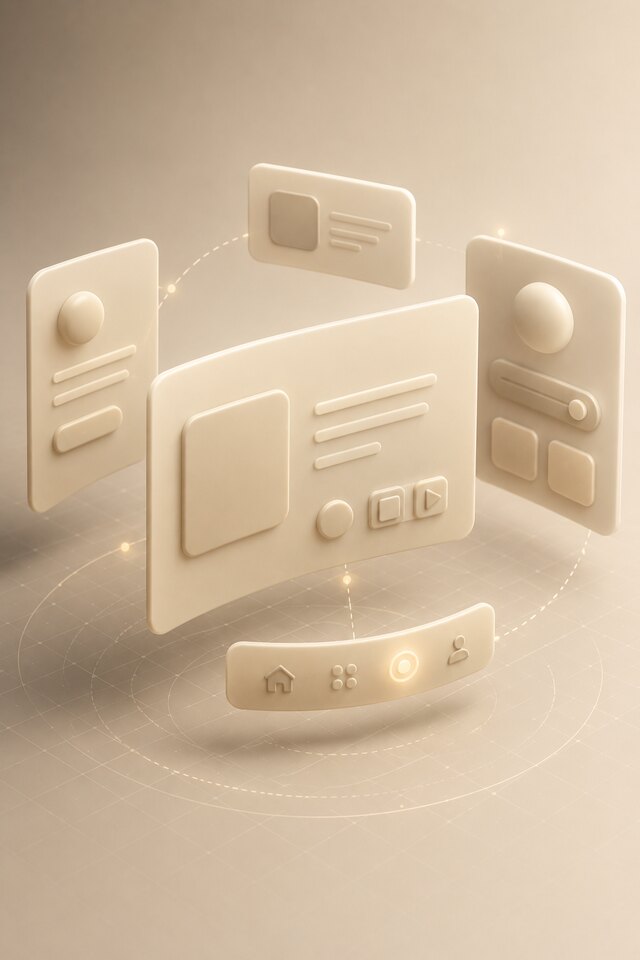
Design literacy for engineers — what to build, not just how.

M08 · 7 lessons

Physics & Simulation

Rigid bodies, collisions, joints, and making physics feel good in your hands.

M09 · 5 lessons

Spatial Audio

Why audio is half of presence — localization, acoustics, mixing.

M10 · 12 lessons

Performance Engineering

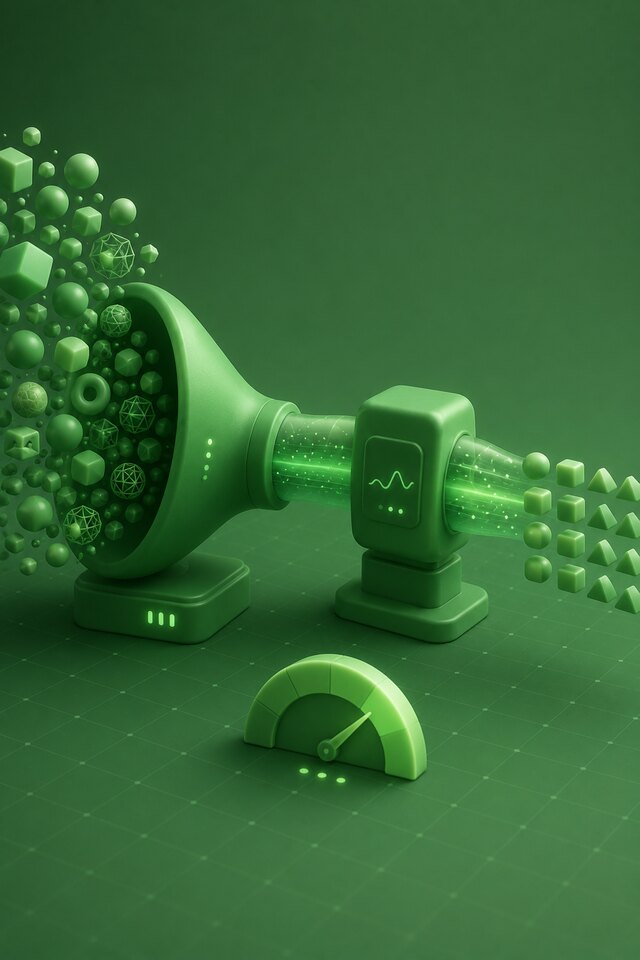
The discipline that decides whether your experience ships.

M11 · 11 lessons

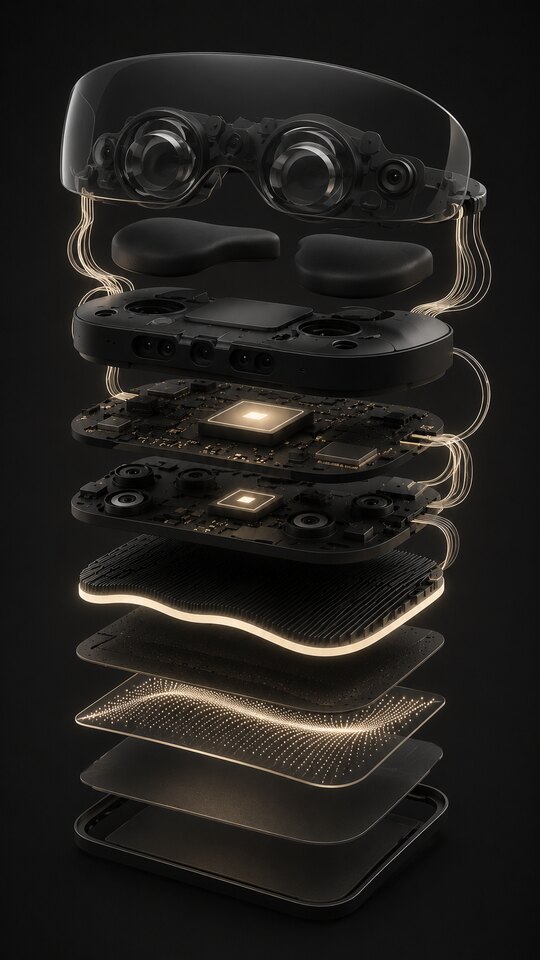
Hardware & Systems Literacy

Understand the machine you're programming — optics to compositor.

M12 · 17 lessons

CV, AI & Privacy for XR

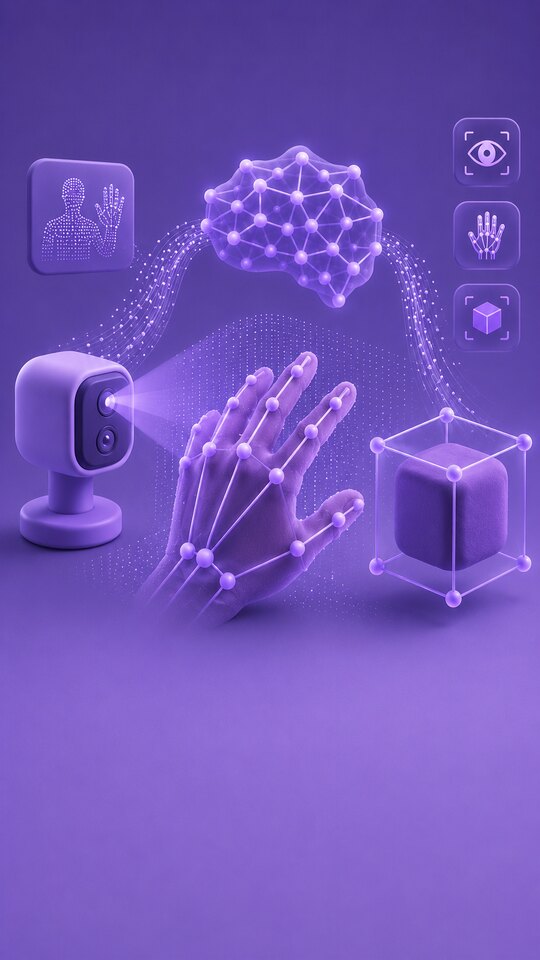
Tracking, on-device ML, spatial agents — and the biometrics and consent that come with them.

M13 · 8 lessons

Networking & Shared Experiences

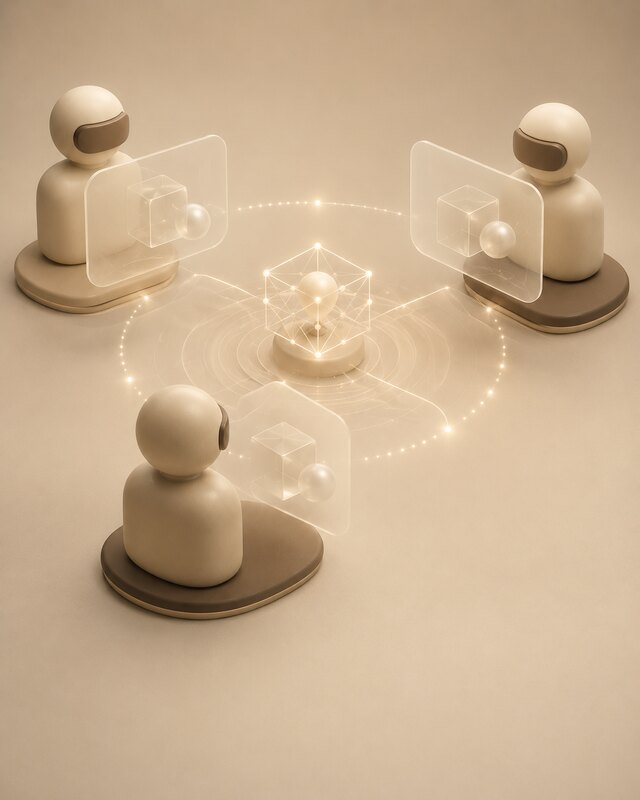
Colocation, shared anchors, avatars, and social presence engineering.

M14 · 18 lessons

Architecture, Craft & Shipping

The software engineering layer — testing, telemetry, rollout, and proving the work.

M15 · 5 lessons

Content & Asset Pipeline

How an asset gets from Blender to a headset: glTF, USD, transforms, compression, validation.

M16 · 5 lessons

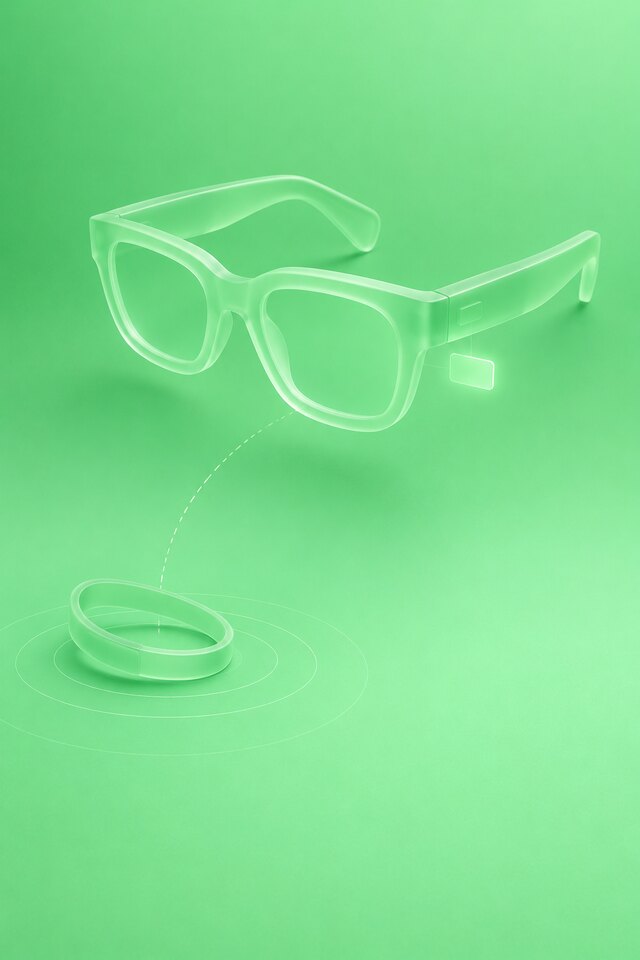
Glasses & Wearables

The HUD-class device: monocular optics, sEMG input, glanceable UI, phone-tethered compute.

Learning paths

Start here

The library is the map of everything an MR engineer eventually knows. A path is what to do next.

Core MR Builder

8–10 weeks

The recommended route in. Start here unless you already build spatial software.

By the end you can

  • Place stable content in a real room
  • Implement near and far interaction
  • Handle tracking loss and input uncertainty
  • Design for comfort and accessibility
  • Profile against a device frame budget
  • Make defensible privacy and permission decisions
  • Build, test and ship a portfolio-quality prototype

Four accumulating projects

  1. 01Spatial placement and coordinate-frame lab
  2. 02Hand and controller interaction micro-experience
  3. 03Room-aware MR prototype with occlusion and failure states
  4. 04Optimised capstone, tested on device and written up as a case studycapstone

M0 · M1 · M2 · M4 · M6 · M3 · M11 · M10

Or take a specialised route

  • Screen to Space

    For web and mobile developers who already ship — the fastest route from flat panels to spatial ones.

    M0 · M2 · M4 · M6 · M7
  • Fundamentals

    For CS grads and game developers going deep on the machine.

    M1 · M2 · M3 · M5 · M8 · M10
  • Feel

    Making experiences feel great — comfort, input, physics, audio.

    M4 · M6 · M7 · M8 · M9
  • Shipping

    From prototype to store, with the evidence to prove it works.

    M10 · M11 · M14
  • Frontier

    Where the field is moving: glasses, spatial AI, and the content pipeline underneath both.

    M12 · M15 · M16

Author

Who’s behind this

I’m Sanket — an engineer who has spent years building spatial experiences and learning, the hard way, everything that separates a demo that impresses from a product that ships. This library is the resource I wish existed when I started: concepts first, implementation second, no engine tribalism.

Everything here is engine-agnostic — Unity, Unreal, WebXR, visionOS, Android XR — and grounded in fundamentals that outlive any SDK release cycle.

Waitlist

Be first in

The library is being written and released one module at a time. Waitlist members get first access as each module lands — and founding member pricing that won’t be offered again.

Questions

Answers

Is this for designers, or developers?+

Engineers first — but anyone building spatial products will benefit. The concepts-first approach means designers and technical PMs can follow along without writing engine code.

Is it really engine-agnostic?+

Yes — and honestly so. Concepts come first, then each lesson maps them to practice: Unity + OpenXR is the complete reference track, with executable labs, plus concise translation notes for Unreal, WebXR, visionOS and Android XR. One tested implementation beats five unverified ones.

How much experience do I need?+

A working familiarity with programming. You don't need prior XR experience — Module 0 gets a build running on a real device before any theory, and Module 1 covers the math you actually use, taught visually. Seasoned XR developers will still find depth in every module.

When does it launch?+

Modules are released one at a time, in a published order — starting with Module 0, Becoming an MR Engineer. Nothing is readable yet; the first module is being written now. Waitlist members get first access as each module lands, plus founding member pricing that won't be offered again.

Will there be a community?+

That's the plan — early members will help shape it. Join the waitlist and you'll be the first to know.